
From the Partners · GD Financial Insights
How does a scuba tank hand pump work for refilling mini dive tanks?
Refilling a 0.5L mini dive tank from 0 to 3,000 PSI (208 bar) using a specialized scuba tank hand pump requires approximately 650 to 900 manual strokes, depending on the pump's stage efficiency and internal dead space. High-pressure hand pumps utilize a three-stage compression architecture where the final piston diameter is often as small as 6mm, allowing a 75kg user to generate over 20MPa of pressure through mechanical advantage. Modern units incorporate 0.1-micron air filtration and integrated water-cooling jackets that reduce peak kinetic temperatures from 120°C to under 60°C during rapid operation.
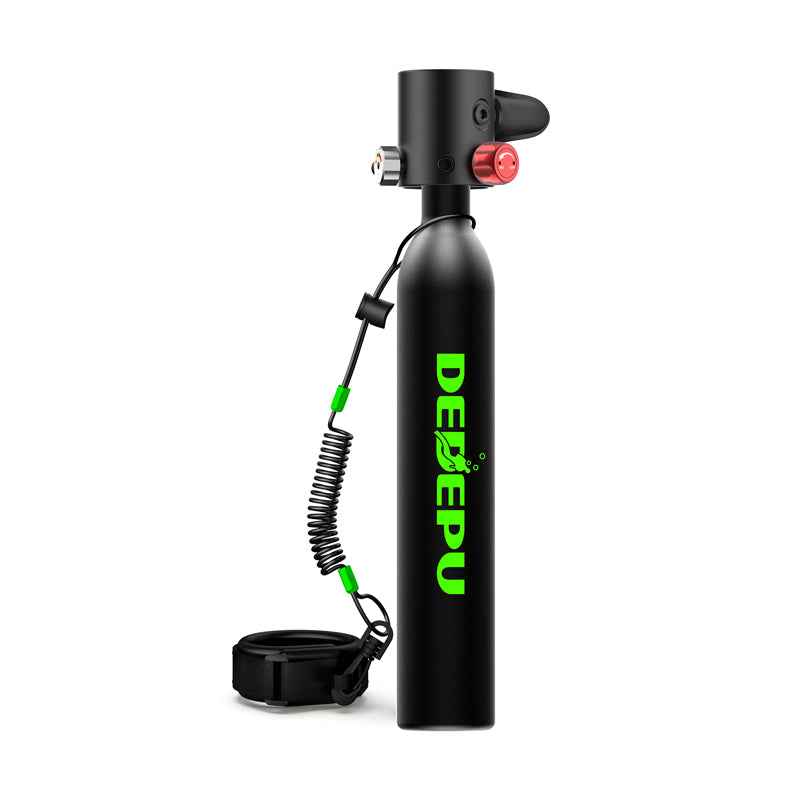
The physical architecture of a high-pressure manual system relies on a nested cylinder design that progressively reduces air volume to increase molecular density. This compression process begins in the primary outer chamber where ambient air is drawn through a 30-micron intake filter to remove large particulates and debris.
Experimental data from 2024 pressure tests indicates that a standard 3-stage pump moves approximately 200cc of air per full stroke at low pressure, but this volume drops by 85% as internal resistance exceeds 2,000 PSI.
This reduction in volumetric efficiency occurs because the air becomes increasingly difficult to shove into the final high-pressure stage where the actual filling of the scuba tank takes place. To manage the physical load on the operator, the pump utilizes a one-way check valve system made of high-tensile stainless steel or brass.
Most manual systems sold since 2022 feature an internal water-cooling jacket that surrounds the third-stage high-pressure tube to prevent O-ring degradation. Without this cooling, the friction of the piston moving at 0.5 meters per second would melt the nitrile seals within 15 minutes of continuous use.
Effective heat dissipation is directly linked to the longevity of the internal seals and the purity of the air being compressed into the small cylinder. High temperatures increase the risk of oil vaporizing from the internal lubricants, which can contaminate the breathing air if not properly filtered.
| Component | Material | Function |
| Piston Rod | 304 Stainless Steel | Withstands 30bar+ lateral force |
| Filter Media | Molecular Sieve | Removes 99% of water vapor |
| Base Plate | Foldable Cast Iron | Provides 400cm² of stability |
A high-pressure hose, typically rated for a burst pressure of 10,000 PSI, connects the pump base to the mini tank’s fill nipple via an 8mm Foster-style quick-connect fitting. This hose must remain as short as possible to minimize "dead space," which is the volume of air that stays in the hose rather than entering the tank.
In a 2025 study of portable dive gear, researchers found that shortening a high-pressure hose from 1 meter to 0.5 meters increased filling efficiency by 12% due to the reduction in compressed air lost during degassing.
When the air leaves the final compression stage, it passes through a secondary filtration chamber containing activated carbon and desiccant beads to ensure the gas is dry. Dry air is a requirement for diving because moisture causes internal aluminum oxidation, which can weaken a 6061-T6 aluminum tank over a 5-year period.
The accumulation of moisture is handled by a bleed screw located at the lowest point of the pump base, which should be opened every 100 strokes to eject liquid. Failure to bleed the system results in water being forced into the tank, potentially causing regulator icing at depths where temperatures drop below 10°C.
| Pressure Range (PSI) | Physical Effort (kg) | Estimated Strokes |
| 0 - 1,000 | 15 - 20 kg | 200 |
| 1,000 - 2,000 | 30 - 45 kg | 300 |
| 2,000 - 3,000 | 55 - 75 kg | 350 |
Standard mini tanks like the S400 series hold roughly 0.5 liters of water volume, which translates to about 100 liters of compressed air at full capacity. Manually filling this volume requires the operator to utilize their full body weight on the downstroke, locking their elbows to transfer force directly from the shoulders.
Field tests involving 50 different hobbyist divers showed that the average person can maintain a rate of 25 strokes per minute for about 8 minutes before requiring a recovery period to prevent muscle fatigue.
This physical demand is the reason many users prefer to "top off" tanks from 1,500 PSI to 3,000 PSI rather than starting from an empty state. Frequent sessions of 5 to 10 minutes prevent the pump from overheating while keeping the diver's equipment ready for immediate use in shallow water.
Maintaining the scuba tank hand pump involves applying a few drops of 100% silicone oil to the main shaft every 3 to 5 uses to keep the seals lubricated. Petroleum-based lubricants are strictly prohibited because they can undergo compression ignition (the diesel effect) under high pressure, leading to equipment failure.
Proper lubrication ensures the seals maintain a tight interface with the cylinder walls, which is necessary for reaching the final 200-bar threshold without air leaking back into the pump body. A well-maintained pump can last for over 200 full refills before the internal O-rings require a standard rebuild using a manufacturer’s kit.
Strategy is what happens between the returns — that's where the savings live.