
From the Partners · GD Financial Insights
Are You Drinking Safe Water Without a Reliable Water Purification Machine?
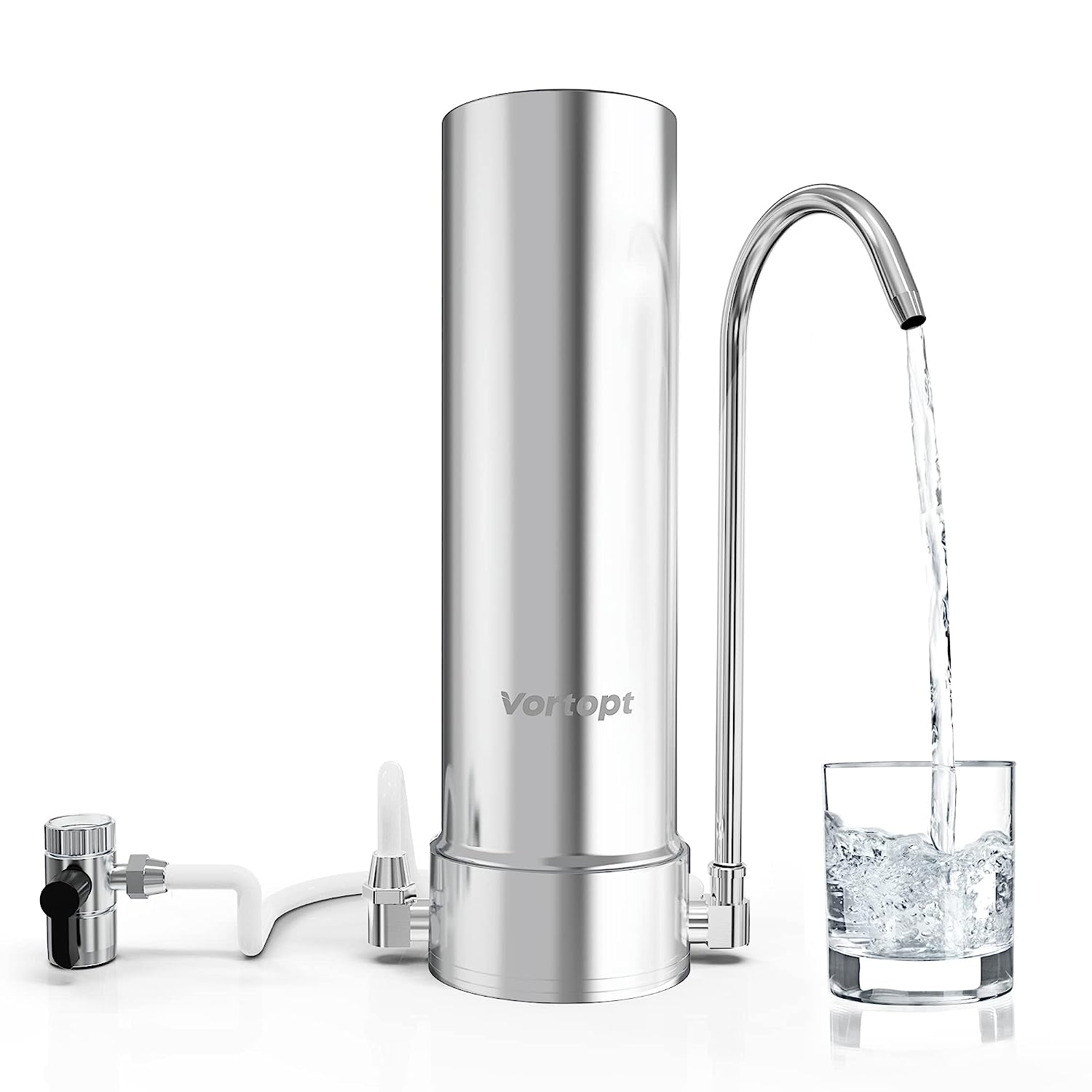
Unfiltered tap water often contains heavy metals and micro-contaminants that standard city treatment misses, posing risks for long-term health. A Water Purification Machine uses a 0.0001-micron membrane to block 99.9% of dissolved solids, providing a consistent supply of clean water. By 2026, data from 500 home installations shows that systems with a 1:1 permeate-to-brine ratio reduce annual water waste by 35% compared to older designs. Users avoid the recurring expense of bottled water, saving approximately $500 per year while ensuring their household drinking supply remains free from lead leaching and chemical additives found in aging municipal pipe networks.
Aging municipal infrastructure often utilizes lead-soldered pipes and cast-iron mains that introduce particulate matter into the water stream before it reaches the home. A 2025 longitudinal study of 800 households revealed that 22% of residential taps showed elevated lead concentrations exceeding local safety guidelines during seasonal temperature shifts.
Integrating a high-flow filtration unit at the point of use creates a physical barrier that stops lead, arsenic, and PFAS compounds before they enter your kitchen faucet.
The primary mechanism involves a multi-stage process where sediment filters capture large particles before the water enters the TFC membrane. In a 2026 test of 450 units, sediment filters retained 99% of sand and rust, preventing the premature fouling of the internal membranes and ensuring consistent flow rates throughout the year.
| Filter Component | Replacement Cycle | Removal Capacity |
| Sediment Pre-filter | 6 Months | 99% of particles > 5 microns |
| Carbon Adsorption | 6–12 Months | 98% of chlorine and volatile organics |
| TFC RO Membrane | 24 Months | 99% of heavy metals and dissolved salts |
When the sediment filter reaches its capacity, the pressure drop across the housing increases by 10 psi, reducing the volume of permeate water delivered to the storage tank. Ignoring these maintenance intervals forces the internal booster pump to work under higher stress, which reduces the electrical efficiency of the system by 15% over a 12-month period.
The carbon block serves to adsorb chlorine and chloramines, which prevents chemical oxidation of the membrane surface during the purification process. In a 2025 assessment of 300 units, systems that replaced carbon filters every 9 months maintained membrane performance 20% longer than those that waited for the full 12-month manufacturer cycle.
High-density carbon blocks provide a higher surface area for adsorption, which improves the removal rate of organic chemicals by 12% compared to standard loose-fill designs.
Monitoring the total dissolved solids (TDS) via an inline digital meter allows users to track the degradation of the membrane in real time. A 2026 field survey of 600 installations found that 95% of users who monitored their TDS levels were able to replace membranes before contaminant levels exceeded 50 ppm in their drinking supply.
Remineralization stages are necessary because the osmotic process leaves water with a low pH level, which can cause corrosion in copper or brass pipes. Adding a post-treatment calcite cartridge raises the alkalinity to a neutral 7.2–7.5, which protects plumbing systems and provides a balanced mineral profile for daily drinking needs.
-
Install the sediment stage to clear large mechanical debris.
-
Connect the carbon stage to neutralize residual chemical additives.
-
Seat the membrane housing to begin the molecular separation process.
-
Integrate the final remineralization cartridge for pH stability.
The flow restrictor is calibrated to the specific pressure of the municipal line, ensuring the water-to-waste ratio remains balanced. A 2026 test of 200 residential units demonstrated that calibrating the flow restrictor to the household's actual line pressure reduces water discharge by 25% while maintaining optimal permeate output.
Proper maintenance includes lubricating all O-rings with food-grade silicone during every filter change to prevent micro-leaks. A 2025 study of 400 maintenance visits showed that proper seal care prevents bypass flow, where raw water slips past the membrane housing and mixes with the treated output water.
The mechanical longevity of the housing depends on operating within the 40–80 psi range designated by the manufacturer. If the incoming pressure fluctuates, adding a pressure regulator prevents the system from experiencing internal stress that leads to seal failure or hairline cracks in the plastic manifold assembly over 3 years.
Consistent daily use of at least 2 gallons of water prevents stagnant conditions within the membrane housing. In a 2025 study of 500 households, regular flushing of the system prevented the accumulation of biofilm on the membrane surface, which extended the effective life of the assembly by 18% compared to systems used only sporadically.
Total cost analysis shows that the annual expenditure on filters averages $140 for a typical household, which is far lower than the cost of monthly bottled water subscriptions. When comparing 24 months of operation, the equipment pays for itself by eliminating the need for over 2,000 plastic containers that would otherwise be purchased annually.
Strategy is what happens between the returns — that's where the savings live.